

Understanding where most house fires start and how they ignite gives you the power to prevent devastating losses. Most homeowners assume fires begin from dramatic events like electrical explosions or major appliance malfunctions. The reality is far more mundane, house fires typically start in predictable locations from preventable causes. This guide examines the most common fire origins in homes, what ignites them, and how you can eliminate these risks before disaster strikes.
| Room | Percentage of Fires | Primary Culprits |
| Kitchen | 49% | Unattended cooking, grease fires, flammable items near burners, appliance malfunctions |
| Bedroom | 13% | Smoking materials, electrical issues, space heaters, candles, charging devices |
| Living Room | 8% | Fireplaces, candles, entertainment systems, space heaters, smoking materials |
| Garage | 7% | Flammable liquid storage, vehicle fires, power tools, improper disposal of oily rags |
| Laundry Room | 6% | Dryer lint buildup, washing machine malfunctions, flammable product storage |
| Attic | 2% | Electrical wiring failures, chimney creosote, improper ventilation, stored flammables |
| Basement | 3% | Furnace/water heater malfunctions, electrical panel failures, dryer lint, storage clutter |
| Other Areas | 12% | Porches, outdoor structures, hallways |
The Kitchen: Where Most House Fires Start
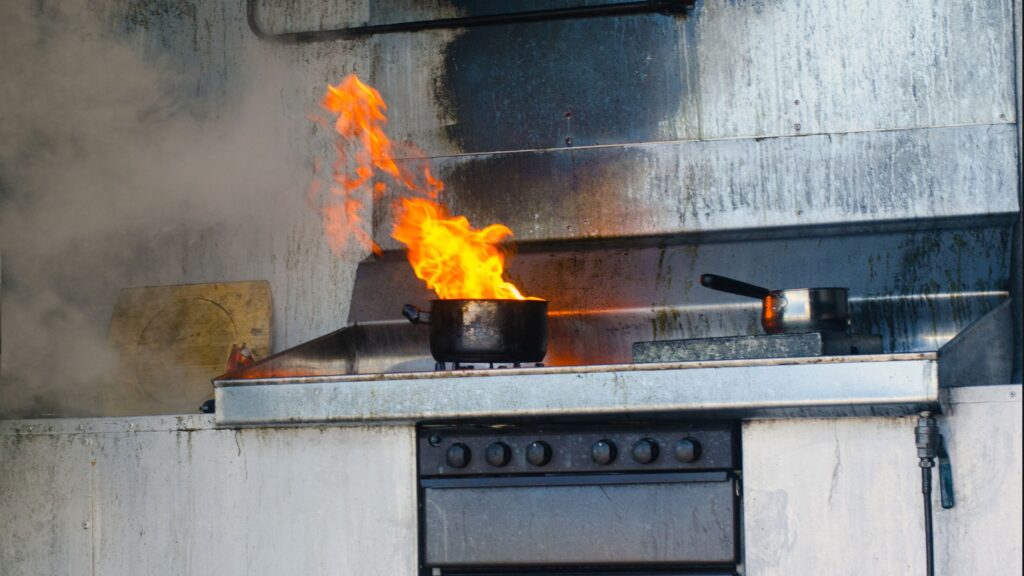
Statistics: The kitchen accounts for 49% of all home fires, making it by far the most dangerous room in your house. Cooking equipment causes more home fires than any other source, responsible for nearly half of all residential fire incidents.
Primary Causes in Kitchens
Unattended cooking leads as the number one cause. Leaving stovetops unattended while frying, grilling, or boiling allows grease to overheat and ignite. Just 3-5 minutes of inattention can turn cooking oil into an inferno.
Grease fires occur when cooking oils reach their smoke point and spontaneously combust. These fires burn extremely hot and spread rapidly. The common mistake of throwing water on grease fires causes explosive reactions that spread flames throughout the kitchen.
Flammable items near heat sources create constant danger. Dish towels, paper towels, oven mitts, wooden utensils, and food packaging left too close to burners or ovens ignite easily. Pot holders hanging near stovetops are particularly hazardous.
Appliance malfunctions including toasters, microwaves, and coffee makers cause fires when food particles accumulate and ignite, or when electrical components fail.
Grease buildup in range hoods, exhaust fans, and on stovetop surfaces creates fuel that ignites from nearby flames or heat.
Prevention Strategies
Never leave cooking unattended, especially when frying or using high heat. Keep a three-foot “kid-free zone” around cooking areas that also applies to flammable objects. Clean cooking surfaces and exhaust systems regularly to prevent grease accumulation. Install and maintain fire extinguishers rated for grease fires (Class K) within easy reach of cooking areas.
Bedrooms: In What Room of the House Do Most Fatal Fires Start?
Statistics: While kitchens see the most fires, bedrooms account for the highest percentage of fire deaths. Bedroom fires are particularly deadly because they occur when people are sleeping and can’t respond quickly.
Primary Causes in Bedrooms
Smoking materials remain the leading cause of fatal bedroom fires. Cigarettes left burning in beds or on nightstands, especially when people fall asleep while smoking, ignite bedding, mattresses, and upholstered furniture.
Electrical issues including overloaded outlets, damaged extension cords, and faulty charging devices cause bedroom fires. Phone and laptop chargers left on beds create heat that ignites bedding materials.
Space heaters placed too close to beds, curtains, or clothing ignite these materials. Heaters left running overnight or while occupants sleep dramatically increase fire risk.
Candles cause bedroom fires when left burning unattended or placed near curtains, bedding, or on unstable surfaces. Our guide on do candles cause house fires explores this risk in detail.
Children playing with matches or lighters in bedrooms causes fires when unsupervised kids experiment with ignition sources.
Prevention Strategies
Never smoke in bed or when drowsy. Avoid charging devices on beds or under pillows where heat builds up. Keep space heaters at least three feet from all combustible materials and never leave them running when sleeping. Extinguish all candles before sleeping. Install smoke detectors inside every bedroom and in hallways outside sleeping areas. Keep matches and lighters locked away from children.
Living Rooms: How Do Most Fires Start in Common Areas?
Statistics: Living rooms and family rooms account for approximately 8% of home fires but contribute significantly to fire spread due to upholstered furniture and open floor plans.
Primary Causes in Living Rooms
Fireplaces and wood stoves cause fires through creosote buildup in chimneys, sparks landing on carpets or furniture, and logs rolling out of fireplaces onto combustible materials. Gas fireplaces also present risks, as detailed in our article about are gas fireplaces dangerous.
Candles left burning on coffee tables, entertainment centers, or mantels ignite nearby materials when knocked over or placed too close to curtains, books, or decorations.
Electrical entertainment systems including televisions, gaming consoles, cable boxes, and sound systems generate heat that can ignite dust buildup or nearby materials when ventilation is blocked.
Space heaters positioned near couches, curtains, or rugs create ignition risks similar to bedroom scenarios.
Smoking materials discarded in upholstered furniture or trash cans containing flammable materials smolder and ignite hours after disposal.
Prevention Strategies
Have chimneys professionally cleaned annually and use fireplace screens to contain sparks. Never leave candles burning unattended and keep them away from anything that can burn. Ensure entertainment systems have adequate ventilation and clean dust regularly. Position space heaters on flat, hard surfaces away from all furniture and foot traffic. Use deep, sturdy ashtrays and wet cigarette butts before disposal.
Garages and Laundry Rooms: Hidden Fire Hazards
Statistics: Garages and laundry rooms each account for roughly 6-7% of home fires, often resulting in extensive damage due to delayed detection.
Primary Causes in Garages
Flammable liquid storage including gasoline, paint thinner, and automotive fluids creates extreme fire risk. Vapors from these liquids travel along floors to ignition sources like water heaters or electrical equipment.
Vehicle fires from fuel leaks, hot engine components, or electrical system failures can spread to the structure.
Power tool malfunctions and electrical equipment failures ignite dust, sawdust, or nearby materials.
Improper disposal of oily rags or paint-soaked materials leads to spontaneous combustion.
Primary Causes in Laundry Rooms
Dryer lint accumulation causes more fires than any other laundry room hazard. Lint buildup in dryer vents, behind dryers, and inside the appliance ignites from the dryer’s heat.
Washing machine malfunctions including electrical failures or water leaks near electrical components cause fires.
Storage of flammable products near heat-producing appliances creates ignition risks.
Prevention Strategies
Store gasoline and flammable liquids in approved containers in detached storage areas when possible. Keep garages well-ventilated and maintain distance between flammable storage and ignition sources. Clean dryer lint traps before every load and have dryer vents professionally cleaned annually. Avoid overloading dryers and never leave them running when you’re not home. Use rigid metal venting instead of flexible plastic for dryer exhaust.
Attics and Chimneys: What Causes Most House Fires in Hidden Spaces?
Statistics: Attic fires represent about 2% of home fires but often cause extensive damage before detection because these spaces are rarely monitored.
Primary Causes
Electrical wiring failures in attics, especially in older homes with outdated wiring, cause fires that smolder undetected.
Chimney creosote buildup ignites from fireplace or wood stove use, creating chimney fires that spread to attic spaces.
Improper attic ventilation combined with recessed lighting or other heat sources creates fire conditions.
Storage of flammable materials in attics near heat-producing equipment or wiring creates ignition risks.
Prevention Strategies
Have electrical systems inspected every 3-5 years, especially in homes over 40 years old. Clean chimneys annually before heating season. Ensure proper insulation around recessed lighting and maintain adequate attic ventilation. Avoid storing flammable materials in attics.
Basements: How Do House Fires Start Below Ground?
Statistics: Basement fires account for roughly 3% of home fires, often spreading rapidly through heating systems and ventilation ducts.
Primary Causes
Furnace and water heater malfunctions including gas leaks, electrical failures, or improper maintenance cause basement fires.
Electrical panel failures from overloaded circuits, faulty breakers, or outdated systems ignite nearby materials.
Clothes dryers located in basements pose the same lint-related risks as laundry room dryers.
Storage clutter near furnaces, water heaters, or electrical equipment provides fuel for fires started by these heat sources.
Prevention Strategies
Schedule annual furnace inspections and water heater maintenance. Keep a three-foot clearance around furnaces and water heaters. Avoid storing flammable materials in basements. Ensure electrical panels are accessible and free from surrounding combustibles.
Understanding How Do Most Fires Start: Common Patterns
Across all rooms and fire origins, several patterns emerge about how house fires start:
Human error causes approximately 85% of home fires. Unattended cooking, careless smoking, and misuse of heating equipment represent the vast majority of preventable fire incidents.
Electrical failures account for roughly 10% of fires, often resulting from overloaded circuits, damaged cords, or outdated wiring.
Appliance malfunctions cause about 5% of fires, typically from lack of maintenance or manufacturing defects.
Time of day matters. Cooking fires peak during dinner preparation hours (5-8 PM). Fatal fires occur most frequently between midnight and 6 AM when people are sleeping.
When Fire Strikes: Your Options
Understanding where do most house fires start helps you prevent disasters, but even vigilant homeowners sometimes face fire damage. When prevention fails and fire damages your home, you’ll need to make critical decisions about your property’s future.
Fire restoration typically takes 6-12 months and costs $50,000-$250,000 depending on damage severity. Many homeowners discover their insurance doesn’t cover full restoration costs, leaving significant out-of-pocket expenses.
If you’re facing this situation, we buy fire damaged houses in any condition. Our process takes 7-10 days, providing immediate relief without the burden of lengthy restoration. We handle all paperwork and close on your timeline, allowing you to move forward quickly after disaster.
Contact us for a no-obligation assessment if you’re dealing with fire damage and exploring your options.
Frequently Asked Questions
Where do most house fires start?
Kitchens are the most common origin, accounting for 49% of all home fires. Cooking equipment and unattended food preparation cause the majority of these incidents.
In what room of the house do most fatal fires start?
Bedrooms account for the highest percentage of fire deaths, even though they’re not the most common fire origin. Bedroom fires are deadly because they occur when people are sleeping and unable to respond quickly.
How do most house fires start?
Cooking equipment causes more fires than any other source, followed by heating equipment, electrical malfunctions, smoking materials, and candles. Human error accounts for approximately 85% of all home fires.
What causes most house fires?
Unattended cooking is the leading cause, followed by heating equipment placed too close to combustibles, electrical failures, careless smoking, and candles left burning near flammable materials.
How do most fires start in garages?
Improperly stored flammable liquids like gasoline create vapors that travel to ignition sources such as water heaters or electrical equipment. Vehicle fires and power tool malfunctions also contribute.
Can fans cause house fires?
Yes, ceiling fans and portable fans can cause fires through electrical malfunctions, motor overheating, or dust accumulation. Learn more about this specific risk in our guide on do fans cause house fires.
What time of day do most house fires occur?
Cooking fires peak between 5-8 PM during dinner preparation. However, the most fatal fires occur between midnight and 6 AM when people are sleeping.
How can I prevent fires in my home?
Never leave cooking unattended, maintain three-foot clearances around heat sources, clean dryer lint regularly, install smoke detectors in every bedroom and common area, avoid overloading electrical outlets, and never smoke in bed.
Previous