

Small, familiar, and in virtually every room of your home. Batteries do not look like a fire hazard. They sit in drawers, charge on nightstands, and power devices that have become part of daily life. That familiarity is exactly what makes them dangerous. In our work buying fire damaged homes, battery related fires are one of the fastest growing categories we encounter, and the damage they produce is disproportionate to how innocuous the source looks.
Yes, batteries can and do start fires, and the risk varies significantly depending on the type, condition, and how they are used and stored.
How Common Are Battery Fires
The NFPA estimates that U.S. fire departments responded to an average of 1,500 home fires caused by batteries annually between 2014 and 2018, causing an estimated $86 million in direct property damage per year.
In 2023, the CPSC reported 25,000 thermal runaway incidents in consumer lithium-ion batteries, primarily from laptops and power tools. The New York City Fire Department documented 210 e-bike lithium battery fires in 2022 alone, a 382% increase from 2019.
These are not industrial incidents. They are fires starting in bedrooms, living rooms, and garages from devices that most people charge without a second thought. How common house fires are puts the full scale of residential fire causes in context, and battery fires represent one of the fastest rising contributors in that picture.
What Types of Batteries Can Start a Fire
Lithium-Ion Batteries
These are the highest risk battery type in residential settings and the category responsible for the most fire damage. Lithium-ion batteries power smartphones, laptops, tablets, e-bikes, electric scooters, power tools, and an increasing range of home appliances.
The specific danger with lithium-ion is a process called thermal runaway. Thermal runaway occurs when a battery cell generates heat faster than it can dissipate it, triggering a chain reaction that releases heat, flammable gases, and eventually open flame. Lithium-ion battery fires during thermal runaway reach peak temperatures of 600 to 1000 degrees Celsius.
According to the CPSC, approximately 54% of residential fires involving batteries resulted from overcharging or charging with incompatible chargers. Physical damage including punctures, crushing, or impact contributed to 18% of battery-related residential fires, and improper storage conditions accounted for approximately 20%.
The NFPA’s lithium-ion battery safety resources cover the full hazard profile and are regularly updated as the technology and incident data evolves.
AA, AAA, and Standard Alkaline Batteries
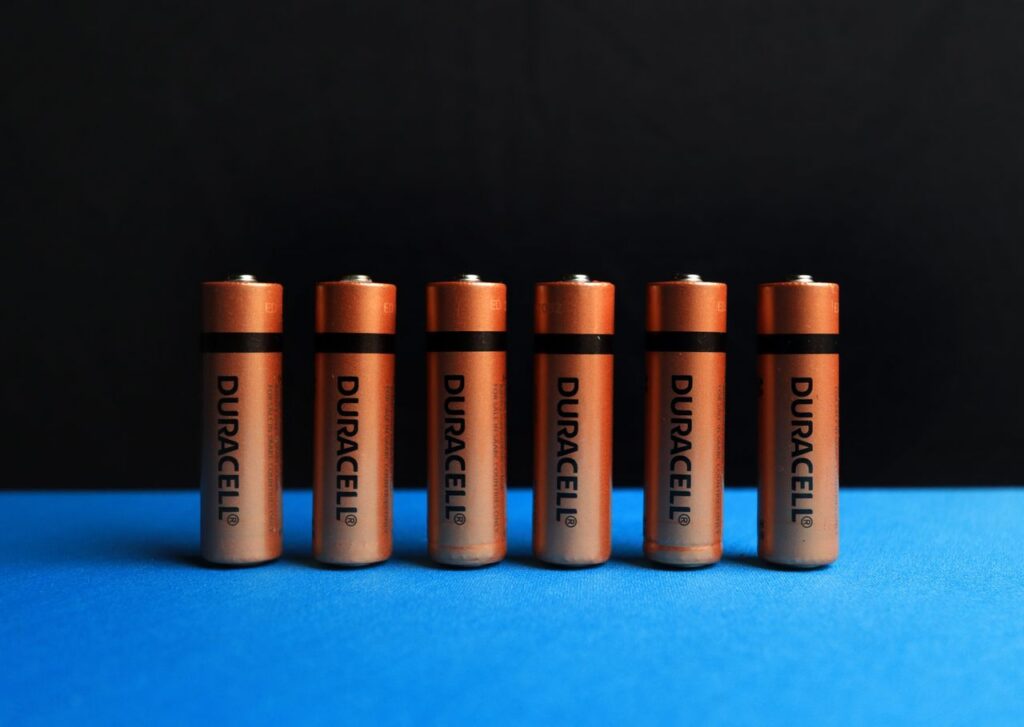
Standard alkaline batteries carry a much lower fire risk than lithium-ion but are not entirely without hazard. The most common fire-related risk from AA and AAA batteries is short circuiting. When a positive and negative terminal come into contact , through loose batteries stored together in a drawer, metal objects like keys or coins touching the terminals, or batteries inserted incorrectly in a device , the short circuit generates heat.
A single AA battery short circuiting against a metal object in a drawer, surrounded by paper or fabric, creates a localized ignition risk that is small but real. Batteries stored loose in a junk drawer with other metallic items are more of a hazard than most people consider. The fix is simple: store batteries in their original packaging or a dedicated battery organizer that keeps terminals separated.
Can Battery Acid Start a Fire?
Battery acid from leaking alkaline batteries is corrosive but not flammable in the way the battery itself is. The fire risk from leaking batteries comes from the heat the short circuit or chemical reaction generates, and from the corrosive damage to device contacts and wiring that can create electrical faults over time. A device with corroded battery contacts from a leaking battery has compromised internal wiring that should be inspected before continued use.
Old or expired alkaline batteries are significantly more likely to leak than fresh ones. Removing batteries from devices that will not be used for an extended period is the simplest prevention.
Which Household Items Carry the Highest Battery Fire Risk
The risk concentrates in specific device categories. These are the ones that produce the most residential battery fires based on CPSC and FDNY incident data.
E-bikes and electric scooters. These carry the largest lithium-ion battery packs of any common consumer device and are the fastest growing source of battery related residential fires. Physical damage from punctures triggered 42% of e-bike battery fires in NYC FDNY data from 2021 to 2023. Charging an e-bike overnight in an apartment, bedroom, or enclosed space is one of the highest risk battery charging scenarios in a residential setting.
Smartphones and tablets. Damage to the battery from dropping the device, using non-manufacturer chargers, and leaving the device charging on soft surfaces like beds and pillows are the leading causes of phone battery fires. A swollen battery, visible as a bulge under the screen or back panel, is a battery in the early stages of thermal runaway and should be handled carefully and replaced immediately.
Laptops. Laptop batteries are particularly prone to heat buildup when charged on soft surfaces that block the ventilation underneath. Charging a laptop on a bed or sofa while it runs resource-intensive tasks creates the heat accumulation conditions that precede thermal runaway.
Power tools. Lithium-ion power tool batteries that are left on the charger after reaching full charge, stored in hot garages, or have been dropped or physically damaged all carry elevated fire risk. Many tool battery fires start during storage, not during use.
Vaping devices and e-cigarettes. Compact lithium batteries in vaping devices are among the most poorly regulated battery products in consumer use. Charging with incompatible chargers and using devices with damaged batteries are consistent causes of vaping device battery fires.
For a broader look at which everyday items in your home carry fire risk most people are not aware of, highly flammable everyday household items covers the full picture including battery powered devices.
Warning Signs a Battery Is About To Fail
These are the signals that a battery is approaching thermal runaway or failure. Any of these should be treated as an immediate action item.
- Swelling or bulging, a battery that is visibly deformed is venting internally and is a fire risk
- Excessive heat during charging, a device that becomes very hot to the touch while charging is not normal and indicates a battery or charger problem
- Unusual smell during charging, a chemical or sweet smell from a charging device indicates electrolyte venting, which precedes thermal runaway
- Hissing or crackling sounds, audible sounds from a battery indicate active venting or internal failure
- Rapid battery drain, a battery that depletes significantly faster than normal is degrading internally and approaching end of safe service life
Any device showing these signs should be disconnected from power immediately, moved away from flammable materials, and not used or charged again until the battery has been replaced.
How To Prevent Battery Fires
Use manufacturer approved chargers only. Overcharging and use of incompatible chargers account for over half of all residential battery fires. Third party chargers that do not match the voltage and current specifications of the battery are a consistent ignition source. This applies to phones, laptops, e-bikes, and power tools equally.
Never charge devices on soft surfaces. Charging on beds, sofas, or carpet traps heat against the device and battery. Always charge on hard, flat, non-flammable surfaces with adequate ventilation around the device.
Do not charge overnight or while unattended. Charging while awake and present means a developing fault can be caught early. Charging overnight eliminates that response window. Smart plugs with scheduled shutoffs are a practical solution for overnight charging routines.
Store batteries away from heat sources. High temperatures accelerate lithium-ion degradation and increase the risk of spontaneous thermal runaway even without an electrical fault. Avoid storing battery powered devices or spare batteries in hot cars, garages without climate control, or near heating equipment.
Separate loose batteries in storage. AA, AAA, and other alkaline batteries stored loose in drawers can contact each other or metal objects and short circuit. Keep them in original packaging, a battery organizer, or with terminal covers applied.
Dispose of damaged or swollen batteries correctly. Do not throw lithium batteries in household waste. Take them to a designated battery recycling point. Many electronics retailers accept them. A damaged battery in a household bin is a potential ignition source in the waste stream.
Replace batteries on schedule. Both alkaline and lithium-ion batteries have service lives. Using devices well past the point where battery performance has degraded significantly increases failure risk. A device that needs charging twice as often as it used to has a battery that is approaching end of life.
For the full picture on preventing residential fires from every angle, how to prevent house fires covers battery risks alongside every other major residential fire cause.
What To Do If a Battery Catches Fire
A lithium-ion battery fire behaves differently from most residential fire scenarios. Water based suppression fails in 85% of lithium battery fires due to reignition. The thermal runaway reaction is self-sustaining once started and continues to generate heat even when oxygen is removed.
If a small device like a phone or laptop battery ignites, move the device to a non-flammable surface outdoors if you can do so safely and quickly. Do not put it in water , the chemical reaction can cause violent gas release. A Class D dry powder extinguisher or large amounts of water applied continuously can suppress a small battery fire but reignition remains a risk.
For a larger battery fire , an e-bike, power tool pack, or energy storage system, evacuate immediately and call 911. These fires produce toxic gases including hydrogen fluoride that make suppression without proper equipment extremely dangerous.
If the fire causes smoke damage throughout your home, whether it is safe to stay in a house with smoke damage covers what lithium battery smoke specifically means for air quality and occupant safety.
If a Battery Fire Has Already Damaged Your Home
Battery fires from e-bikes, power tools, and charging devices can produce significant structural damage in a very short window. The thermal runaway reaction burns intensely and the toxic smoke it produces contaminates surfaces and HVAC systems throughout the home, not just in the room of origin.
If you are dealing with fire damage from a battery incident and the repair cost is beyond what your insurance covers, what happens when you cannot afford fire repairs covers every realistic option. And if selling makes more sense than rebuilding, how fire damage affects home appraisal value gives you a clear picture of what the damage does to your property’s worth before you commit to any repair path.
We buy fire damaged homes in any condition, including battery fire damage, for cash with no repairs required. Get a free cash offer with no obligation before making any decisions about repairs.
Frequently Asked Questions
Can batteries start a fire?
Yes. Lithium-ion batteries are the highest risk type and can undergo thermal runaway, a self-sustaining chemical reaction that produces intense heat, flammable gas, and open flame. Standard alkaline batteries can also cause fires through short circuiting when terminals contact metal objects.
Can AA batteries start a fire?
Yes, though the risk is lower than lithium-ion. AA batteries short circuiting against metal objects in storage are the most common cause. A short circuit generates enough heat to ignite paper, fabric, or other materials in contact with the battery.
Can batteries catch fire while not in use?
Yes. Lithium-ion batteries can undergo thermal runaway during storage if they are damaged, degraded, exposed to heat, or have been improperly discharged. Alkaline batteries can short circuit in storage if terminals contact metal objects.
Can battery acid start a fire?
Battery acid from leaking alkaline batteries is corrosive but not directly flammable. The fire risk comes from the heat generated during the chemical reaction causing the leak, and from the corrosion of device wiring and contacts that can create electrical faults over time.
What causes lithium-ion batteries to catch fire?
The four primary causes are overcharging or use of incompatible chargers, physical damage including punctures or crushing, exposure to high temperatures, and manufacturing defects. Overcharging accounts for over half of all residential lithium-ion battery fires.
What should you never do with a lithium battery that is swelling?
Never continue to charge it, puncture it, put it in household waste, or leave it on a flammable surface. A swollen battery is in the early stages of thermal runaway. Disconnect it from power, move it to a hard non-flammable surface away from anything combustible, and have it replaced immediately.
Is it safe to charge devices overnight?
Not ideal. Overnight charging removes your ability to respond to a developing fault. Use a smart plug with a scheduled shutoff to stop charging once the device is full, and charge on a hard non-flammable surface rather than on bedding or upholstered furniture.
Previous