

If a fire department official has shown up at your door after a fire and told you the property is unsafe, or if you have come home to find a notice posted on the front door, the immediate question most homeowners ask is whether this is legally final, what it means for their right to be in the home, and what their options are. In our work buying fire damaged homes, condemned properties are a situation we encounter regularly. This guide tells you what condemnation actually means, who has the authority to do it, what the process looks like, and what your realistic options are.
Can the Fire Department Actually Condemn a House
The answer is nuanced and depends on your jurisdiction.
While the fire department cannot legally condemn a house in most jurisdictions, they can suggest additional assessments by local building or code enforcement agencies. Local agencies, including the fire department, frequently perform preliminary safety assessments to determine if the property presents urgent hazards like structural failure or toxic remnants. Although these evaluations are essential, they do not lead to the property’s condemnation. That authority rests with local building or code enforcement agencies.
However, some municipalities give the fire chief explicit condemnation authority. In some jurisdictions, the Fire Chief has the power to condemn, as unsafe, any building which constitutes a fire hazard, and the power to require that the owner or occupant of any unsafe building begin work to render it safe or remove it within five working days after notice.
The practical reality is this: in most cases after a house fire, the fire department arrives, assesses structural and safety conditions, and if the property is unsafe, they notify the building department or code enforcement. Those agencies then issue the formal condemnation notice. The fire department is often the trigger, not the authority.
The condemning authority is responsible for inspecting the property, issuing the notice, and overseeing what happens next, whether that means bringing the property up to code or determining that it cannot be safely used.
What Does Condemned Actually Mean
Condemned does not automatically mean demolished. It means the property has been officially declared unsafe or unfit for human habitation by a local authority.
A condemned house is a property that a local government or housing authority has officially declared unsafe or unfit for human habitation, usually due to severe neglect, structural damage, or code violations.
When a property is condemned after a fire, the conditions that typically trigger it include:
- Structural failure, sagging roof, compromised load bearing walls, or floor systems that cannot safely support occupancy
- Electrical hazards from fire-damaged or exposed wiring
- Toxic residues from smoke, soot, and burned synthetic materials that create health hazards
- Missing utilities, no safe water, heat, or sanitation systems
- Building code violations created by the damage that were not present before the fire
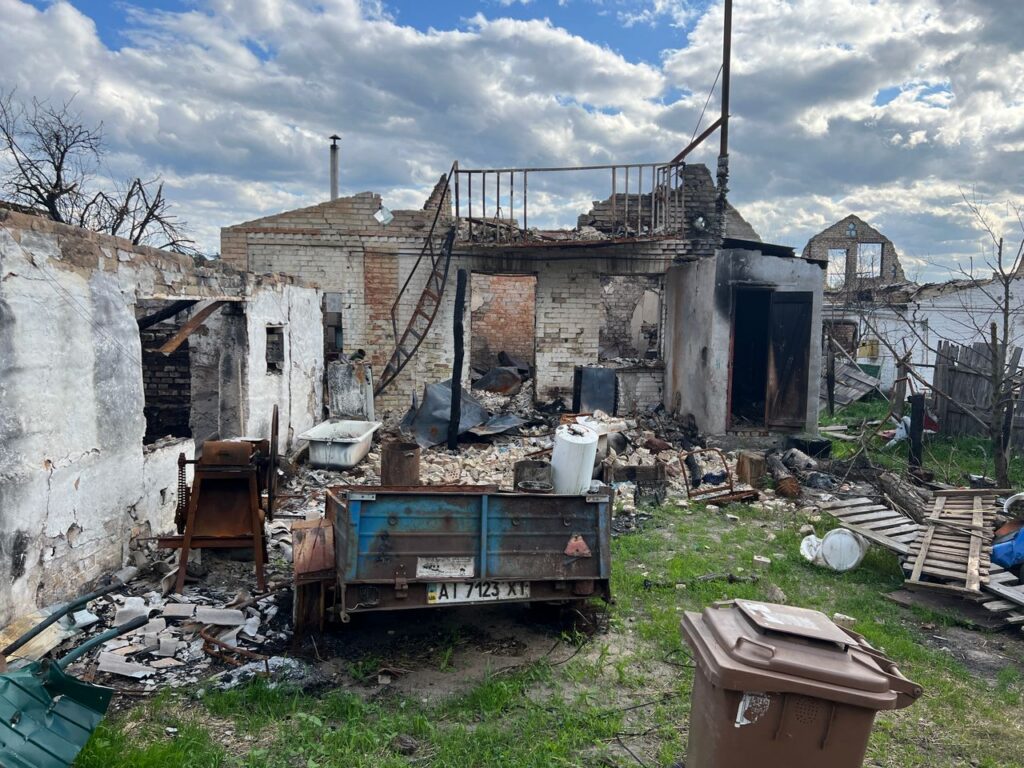
Once a property is condemned, a notice of condemnation is issued to the property owner and is often posted on the front door of the building. A notice of condemnation means you must vacate your home immediately and remain off the property until it is brought up to code.
What Happens After a House Is Condemned
The condemnation process follows a specific sequence and understanding it matters for how you respond.
The process typically starts with a complaint or a proactive inspection by a code official, often initiated after a major event like a fire. A local code enforcement officer or building inspector assesses the property and documents all violations. If the inspection reveals serious issues, the property owner is issued a written notice listing the problems, required repairs, and a strict deadline for completing the work. If the required repairs are not made, the local authority issues a formal condemnation order, legally declaring the property unfit for habitation.
What happens to your mortgage and insurance is a critical point most homeowners do not consider immediately. Homeowners insurance policies generally require the property to be maintained and occupied. A condemnation order signals the opposite. Your insurer may cancel the policy or decline to renew it, which then triggers a separate default under your mortgage terms. If the condemnation was caused by an insured event such as a fire that made the building unsafe, you may have a valid claim for the damage, but you need to file it promptly. Waiting until after the policy lapses can cost you the entire claim.
Contact your insurance company the same day you receive a condemnation notice. Not the next week. The same day.
Can a Condemned House Be Fixed
Yes, in most cases. Condemnation is not a permanent or irreversible status in the majority of situations.
Fixing a condemned property requires working through the local building department every step of the way. The typical sequence is: you receive a list of required repairs from the inspector, you pull the necessary construction permits, you complete the work, and you schedule a final inspection.
There is one significant threshold to be aware of. In some jurisdictions, if a building is damaged, decayed, or deteriorated to an extent that is more than 50% of the market value of the property, it must be demolished rather than repaired. That 50% rule is not universal and varies by municipality, but it appears in local codes across the country and is worth checking before you invest in a repair plan.
The repair process for a condemned fire-damaged property typically involves:
- Obtaining a structural engineering assessment of what can be saved versus what must be demolished
- Pulling permits for all required work before starting
- Addressing every item on the condemnation notice specifically
- Scheduling reinspection after each stage of work is complete
- Receiving a formal clearance from the building department before re-occupying
Timelines for compliance vary. In some jurisdictions, property owners have 90 days to begin correcting the violations cited in condemnation papers before fines begin to accumulate. Other municipalities give 30 days. Check the notice itself and your local building department for the specific deadlines that apply to your property.
If you do decide repair is the right path, how fire damage affects home appraisal value gives you a realistic picture of what the property will be worth after repairs relative to what those repairs will cost, which is the fundamental financial question you need answered before committing to any remediation plan.
Can You Appeal a Condemnation
Yes. Most jurisdictions allow the property owner to challenge a condemnation decision.
If you believe your property has been wrongfully condemned, most jurisdictions allow you to appeal the decision. Hire your own contractors or engineers to provide a second opinion regarding the safety and restoration potential of your home. Obtain all reports from the fire department and building authorities.
An appeal is worth pursuing if you believe the assessment overstated the damage, applied the wrong code provisions, or did not account for repairs you had already begun. You typically have a limited window to file an appeal after the notice is issued, often 30 days or less. Missing that window forfeits most of your formal appeal rights.
Can You Sell a Condemned House
Yes, and it is more common than most people expect.
In jurisdictions where it is allowed, the sale of a condemned property will likely come with challenges. Buyers are usually investors or developers interested in renovating the property. You must disclose the property’s condemned status and the reasons for condemnation to potential buyers. The sale price is likely to be significantly lower than for a non-condemned property, reflecting the cost of necessary repairs or demolition.
Conventional buyers using mortgage financing are not a realistic option for a condemned property. Lenders will not approve financing on a home that has been officially declared unfit for habitation. Your buyer pool is investors, developers, and cash buyers who specialize in distressed properties.
That is exactly where we operate. We buy condemned and fire damaged homes in any condition, for cash, with no repairs required. The condemnation status does not prevent the sale. The buyer assumes the property as-is, handles the permits and repair process, and you walk away without carrying the financial and logistical burden of a property that is generating fines and carrying costs with no occupants.
If you are also thinking through the disclosure requirements before any sale, what you need to disclose when selling a fire damaged house covers exactly what must be disclosed and what the consequences are of failing to do so.
For a full picture of who buys these properties and how to reach them, how to find buyers for fire damaged homes covers every buyer type in the fire damaged market and what each one means for your outcome.
Condemnation vs. Eminent Domain: The Distinction That Matters
This confusion comes up frequently and it is worth clarifying directly.
Condemnation happens when a government agency declares a property unsafe, uninhabitable, or in violation of codes. The focus is safety and compliance. Local building or health departments usually handle condemnation, and the goal is to protect occupants and the public from hazards. Eminent domain, on the other hand, is about public use. In this case, the government has the legal right to take private property, even if it is in perfect condition, so it can be used for things like roads, schools, or other public projects.
With a code condemnation, there is no taking, no compensation, and no transfer of ownership. The confusion matters because the legal rights, remedies, and financial consequences are completely different depending on which type of condemnation you are facing.
If your property is condemned for safety reasons after a fire, the government is not taking your home. You still own it, still owe the mortgage, and still carry the legal and financial obligations of ownership. You simply cannot occupy it until it is brought into compliance or sold.
What To Do If Your House Has Been Condemned
In order of priority:
- Contact your insurance company the same day the notice is issued
- Read the condemnation notice carefully and note every deadline and required action item
- Do not re-enter without permission from the condemning authority
- Get an independent structural assessment before committing to a repair plan
- Check whether the 50% rule applies in your jurisdiction
- Understand your appeal window and whether the condemnation is contestable
- Get a cash offer before committing to a repair budget so you have a real number to compare against
What happens when you cannot afford fire repairs covers the full picture of options when the condemnation and repair costs exceed what your insurance covers or what makes financial sense.
We buy condemned and fire damaged homes in any condition. Get a free cash offer with no obligation before making any decisions about the repair path.
Final Thoughts
A condemned property is a serious situation but not necessarily a permanent or irreversible one. The fire department may trigger the process but formal condemnation authority rests with building and code enforcement agencies in most jurisdictions. The notice does not mean the house must be demolished. It means it must be brought up to code before it can be occupied again or sold through a traditional channel.
Understanding your timeline, your appeal rights, your insurance position, and your financial options before committing to any course of action is the foundation of every good decision you can make from this point.
Previous