

Cleaning up after a house fire is one of the first major decisions you’ll face once the flames are out and the scene is safe to enter. Whether you’re handling a single room or a total loss, this guide covers what debris removal actually involves, what it costs, how to do it, and whether you need to do it at all before moving forward.
How To Clean Up After a Fire: Where To Start
Before touching anything, get clearance from the fire marshal or local authority that the structure is safe to enter. Even after a contained fire, floors can be weakened, walls unstable, and air quality dangerous from residual smoke, soot, and burned synthetic materials.
Once you have clearance:
- Document everything first. Photograph and video every room, every damaged item, every structural element before moving or removing anything. This is critical for insurance claims.
- Notify your insurance company. Most policies require you to report damage before beginning cleanup. Starting without documentation or approval can complicate your claim.
- Get a professional assessment. A fire restoration contractor can tell you within the first visit what’s salvageable, what needs to go, and what the structural situation looks like.
Cleaning After a House Fire: Room-by-Room Priorities
Not all fire damage is equal. A kitchen grease fire leaves a different cleanup challenge than a bedroom fire that spread through the ceiling. Work systematically.
Structural Debris
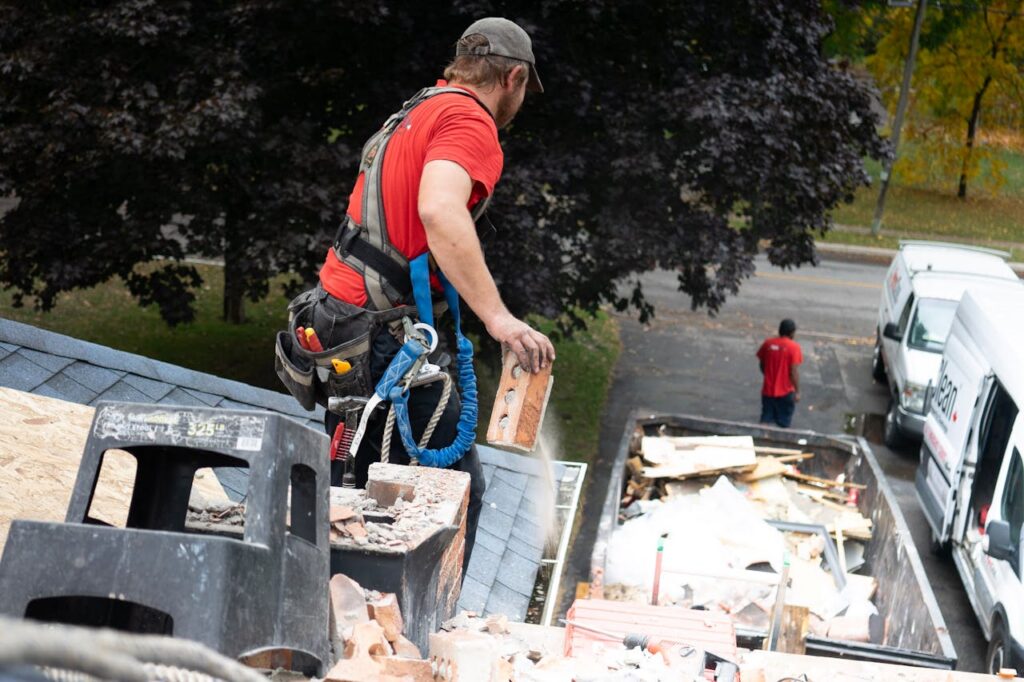
Collapsed ceilings, burned framing, charred drywall, and damaged flooring all need to go before any restoration work can start. This is not a DIY job in most cases – structural debris can be heavy, unstable, and contaminated with asbestos in older homes. Hire a licensed contractor for anything involving load-bearing elements.
Soot and Smoke Residue
Soot spreads further than the fire itself and coats walls, ceilings, and contents across rooms that never saw flames. For hard surfaces:
- Use a dry chemical sponge first – never rub wet cleaner into fresh soot
- Follow with TSP (trisodium phosphate) solution on walls, cabinets, and floors
- Apply shellac-based primer (Kilz Original or Zinsser BIN) before any repainting
For smoke odor that persists after surface cleaning, the approach changes significantly – how to get smoke smell out covers that process in full.
Damaged Contents and Personal Items
Sort into three categories before removing anything:
- Salvageable – structurally intact items with surface smoke or soot damage that can be professionally cleaned
- Sentimental but damaged – document thoroughly for insurance, attempt restoration if feasible
- Total loss – catalog for insurance purposes, then dispose of
Do not throw anything away before your insurance adjuster has completed their assessment. Disposing of damaged items prematurely can reduce your payout.
Water Damage From Firefighting
Firefighting leaves significant water damage – soaked insulation, warped flooring, saturated drywall. This needs to be addressed alongside fire debris, not after. Wet materials left in place develop mold within 24–48 hours, adding a second remediation problem on top of the first. Remove wet insulation and drywall immediately, run industrial dehumidifiers, and document the water damage separately in your insurance claim.
How To Clean a House After a Fire: DIY vs. Professional
What You Can Handle Yourself
For minor fires with contained damage:
- Wiping down hard surfaces with TSP or enzymatic cleaners
- Washing salvageable fabrics with white vinegar
- Removing undamaged contents from affected rooms
- Disposing of clearly destroyed soft goods (clothing, bedding, upholstered furniture)
What Requires Professionals
- Structural debris removal
- Asbestos testing and abatement (required in homes built before 1980)
- HVAC cleaning and duct decontamination
- Ozone or thermal fogging treatments for smoke odor
- Biohazard cleanup if the fire involved chemicals or synthetic materials
- Any debris removal requiring a dumpster permit or municipal disposal coordination
Attempting structural or hazardous cleanup without the right equipment and licensing creates safety risk and can create liability issues if you’re planning to sell.
House Fire Debris Removal Cost: What To Expect
Debris removal cost after a house fire varies significantly based on the size of the property, extent of damage, and your location. General ranges:
| Scope | Estimated Cost |
| Single room cleanup (minor fire) | $3,000 – $8,000 |
| Partial home debris removal | $8,000 – $25,000 |
| Full home debris removal (major fire) | $25,000 – $75,000+ |
| Hazardous material abatement (asbestos) | $1,500 – $30,000 depending on scope |
| Professional soot/smoke cleaning | $2,000 – $6,000 per affected area |
| Dumpster rental (if self-managing) | $300 – $800 per haul |
These figures don’t include structural repairs, HVAC cleaning, or mold remediation if water damage has been left unaddressed. Always get at least three quotes from licensed fire restoration contractors before committing.
What Insurance Typically Covers
Most standard homeowner’s policies cover debris removal as part of the fire damage claim – but coverage limits vary. Some policies cap debris removal at 5% of the dwelling coverage limit. Review your policy carefully and ask your adjuster specifically what the debris removal sub-limit is before assuming full coverage.
Do You Have To Remove Debris Before Selling?
This is where most guides stop giving useful information – so here’s the straight answer: no, you don’t have to remove debris before selling, depending on who you’re selling to.
Selling Through a Realtor or on the Open Market
If you’re listing through a traditional sale, debris removal is effectively required. Most buyers using conventional financing can’t purchase a property in this condition – lenders won’t approve the loan, and most buyers aren’t willing to take on the liability and cost of a debris-filled structure. You’d need to clear, clean, and at minimum make the property safe and presentable before a traditional listing has any chance.
If you’re considering that route, it’s worth understanding whether you need a realtor to sell before investing in cleanup costs that may not be recoverable in the sale price. Also take the time to understand the pros and cons of selling as-is – the math doesn’t always favor restoration.
Selling to a Cash Buyer As-Is
If you sell directly to a cash buyer who specializes in fire-damaged properties, debris removal is not your problem. Cash buyers purchase the property in its current condition – debris, soot, structural damage and all. There’s no lender requiring a clean property, no appraiser flagging hazards, no buyer walking away because the cleanup is too much to take on.
Cash offers are often the better option precisely because they remove every contingency that would otherwise require you to spend money before the sale – including debris removal.
One situation worth mentioning separately: if you’ve inherited a fire-damaged property and are trying to figure out what to do with it, handling inherited fire-damaged property covers the specific decisions and complications that come with that scenario. The debris removal question looks different when the property isn’t your primary residence and you have no intention of rebuilding.
Protecting Yourself If You Do Sell
Whether you sell as-is or after cleanup, be aware that fire history requires disclosure in almost every state. And if you’re navigating offers from investors or restoration buyers, how to avoid scams when selling is essential reading before signing anything.
Final Thoughts
Debris removal after a house fire is a significant undertaking – physically, logistically, and financially. Handle it in the right order: get clearance, document before touching anything, involve your insurance company early, and bring in licensed professionals for anything structural or hazardous.
If you’re weighing whether cleanup is even worth it before making a decision about the property, that’s a legitimate question – and the answer depends entirely on your situation.
We buy fire-damaged houses in any condition, debris included, for cash. If you’re not familiar with how that process works, explore our website, review what we do, and get a cash offer with no obligation. It costs nothing to see what the number looks like before committing to a $50,000 cleanup.
Previous