

An oven fire feels alarming the moment it happens, and the instinct to open the door and throw something on it is almost universal. That instinct is almost always wrong. In our years of buying fire damaged homes, kitchen fires that started in an oven and stayed contained are common. Kitchen fires that started in an oven and destroyed the home are also common, and the difference between the two usually came down to what the person in the kitchen did in the first 60 seconds.
Cooking fires are the number one cause of home fires and home injuries in the United States, and the leading cause of fires in the kitchen is unattended cooking. Ovens account for a meaningful share of those incidents, and unlike stovetop fires, they come with a built-in advantage: a door that contains the fire if you leave it closed.
This guide tells you exactly what to do, what not to do, and what comes after if the fire goes further than the oven.
What We Have Seen Through Our Work
Oven fires follow a consistent pattern in the properties we have bought. Grease and food debris that accumulated over months ignites during a high heat cook. The occupant opens the oven door, introducing oxygen, and a manageable situation becomes a kitchen fire. In some cases the range hood above the oven catches next, then the cabinets, and the fire leaves the kitchen entirely before anyone has time to respond effectively.
The other scenario we see regularly is the forgotten oven. Left on overnight or while the occupant left the house, a slow smoldering fire from accumulated grease builds over hours. By the time smoke reaches a detector or a neighbor notices, the kitchen is already significantly damaged.
Cooking fires account for nearly 50% of all reported home fires annually, and unattended cooking is responsible for over 40% of cooking fire related emergencies. For a broader picture of how kitchen fires compare to every other cause of residential fire damage, how common house fires are puts the full scale in context.
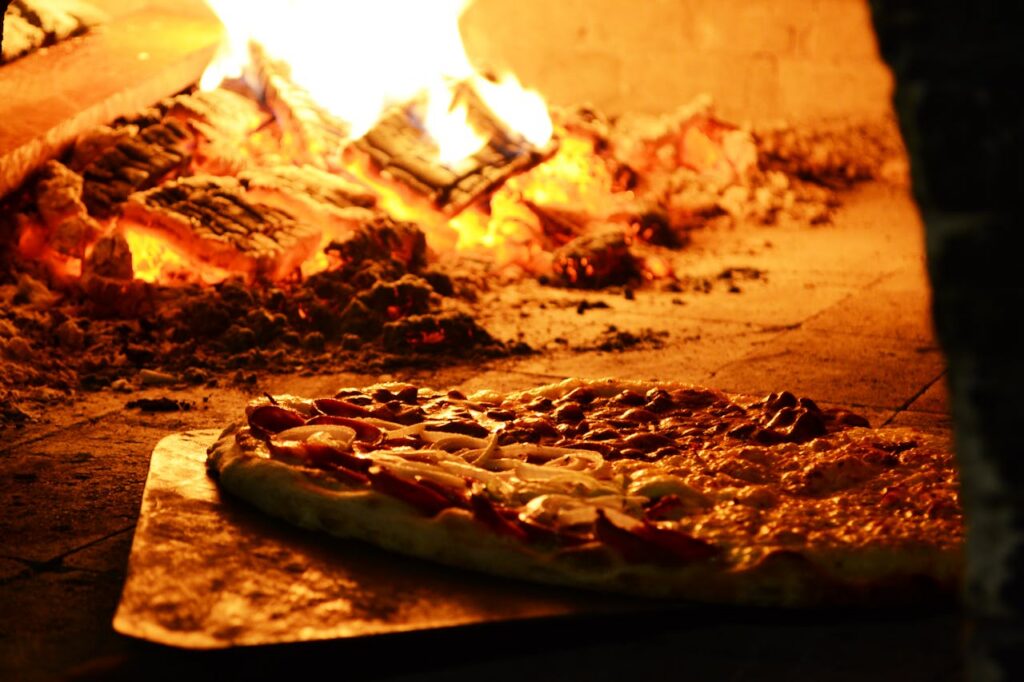
How To Put Out an Oven Fire
Step 1. Keep the Oven Door Closed
This is the single most important action and the one most people get wrong. An enclosed oven fire is starved of oxygen. Opening the door feeds it. If you see flames or smoke inside the oven, close the door if it is open and leave it closed.
The fire will often extinguish itself within a few minutes if the door stays shut and the oxygen supply is cut off. This works for most grease and food fires inside the oven cavity.
Step 2. Turn Off the Heat Source
Turn off the oven immediately. For gas ovens, turning off the burner removes the ongoing fuel source. For electric ovens, cutting the power eliminates the heat that is sustaining the fire. Do not wait to see if the fire is getting worse before doing this. Turn it off as your first action alongside keeping the door closed.
Step 3. Leave the Door Closed Until the Oven Has Cooled
Do not open the oven door to check on the fire. Do not open it after you think the fire has gone out. Leave it completely closed until the oven has fully cooled. Opening it prematurely reintroduces oxygen and can reignite a fire that appeared to be out.
Step 4. Use a Fire Extinguisher If the Fire Escapes the Oven
If flames or smoke are coming from the oven vents, from behind the unit, or from the range hood above, the fire has moved beyond the oven cavity and the closed-door approach is no longer sufficient.
At this point use a Class B or ABC rated extinguisher aimed at the base of the visible flames. Do not open the oven door to use the extinguisher inside. Address only the fire that has escaped the oven. For guidance on which extinguisher type to have in the kitchen and where to position it, choosing the right fire extinguisher for your home covers the decision in detail.
Step 5. Evacuate and Call 911 If the Fire Spreads
If the fire reaches the range hood, the cabinets, or the ceiling, evacuate immediately. Close the kitchen door behind you as you leave. Call 911 from outside. Do not go back in.
The USFA’s cooking fire safety guidance is clear on this point: stand by your pan, watch what you are cooking, and if you leave the kitchen, turn the burner off. The same principle applies to the oven. If you are not in the kitchen, the oven should not be on.
How To Put Out a Grease Fire in the Oven
A grease fire inside an oven follows the same approach as any oven fire, with one additional consideration: grease fires burn hotter and reignite more readily than food debris fires. The closed door approach is still correct, but grease fires are more likely to re-ignite when the door is opened even after appearing to go out.
If a grease fire escapes the oven, baking soda can smother a small grease fire on a nearby surface. A Class B or K extinguisher is the appropriate tool for a larger grease fire that has left the oven.
What you should never use on a grease fire:
- Water – causes an explosive steam reaction that launches burning oil outward in every direction
- Flour – combustible powder that creates a dust explosion on contact with open flame
- A wet cloth – introduces water and the same steam explosion risk
- A fan or anything that creates airflow – feeds oxygen to the fire
These are mistakes that turn a contained grease fire into a room fire in seconds. We have seen the results of all of them in properties we have purchased.
What You Should Never Do in an Oven Fire
- Never open the oven door while flames are visible inside – oxygen feeds the fire immediately
- Never use water on any oven fire – water on grease creates a dangerous steam explosion and on an electric oven creates electrocution risk
- Never leave the kitchen while the oven is on and unattended – most oven fires develop from accumulated grease over time, but the ignition is almost always during a cook cycle
- Never attempt to move a burning pan from inside the oven – moving the fuel source spreads the fire
- Never use a Class A water extinguisher on a grease or oven fire – water based extinguishers carry the same risk as throwing water directly
After the Oven Fire Is Out
Even if the fire stayed inside the oven and extinguished on its own, there are steps to take before using the oven again or assuming everything is fine.
Ventilate the kitchen. Open windows and run the range hood fan to clear smoke from the space. Smoke from an oven fire contains the same toxic compounds as any other residential fire. If the smoke was significant and spread through the house, whether it is safe to stay in a house with smoke damage covers what lingering smoke exposure actually means for your household.
Inspect the oven before the next use. Check for grease residue, damaged heating elements, warped racks, and any signs of heat damage to the surrounding cabinets or countertop. If the fire burned hot enough to discolor the oven interior or damage the door seal, have it professionally inspected before using it again.
Check your smoke detectors. An oven fire that produced significant smoke is a good moment to test every detector in the home and confirm they are working and properly placed. If yours are outdated or missing from key locations, smoke detector installation covers placement, types, and what every home needs.
Clean the oven thoroughly. The grease and food debris that caused the fire is still there after the fire goes out. Clean it completely before the next use. A self-cleaning cycle run at high heat on a dirty oven is one of the most common ways a second oven fire starts after a first one.
Preventing Oven Fires Before They Start
Most oven fires we have seen were entirely preventable. The conditions that caused them built up over weeks or months and ignited during a routine cook.
- Clean the oven interior regularly, including the bottom of the oven where grease accumulates
- Never line the oven bottom with aluminum foil – it traps heat and grease and creates a direct ignition surface
- Keep oven mitts, dish towels, and paper products away from the oven exterior and range hood
- Use the correct cookware sizes – pans that overflow or spill inside the oven leave grease residue on every cycle
- Stay in the kitchen when the oven is on at high temperatures – most oven fires start during broiling and high heat roasting
For a comprehensive look at what else in your home creates fire risk you may not have considered, highly flammable everyday household items covers the ones most people overlook. And for the full picture on keeping your home safe from kitchen and other fire risks, how to prevent house fires is worth reading alongside this guide.
If the Fire Went Further Than the Oven
Sometimes an oven fire does not stay in the oven. It reaches the cabinets, the ceiling, the adjacent rooms, and by the time it is out, you are dealing with a kitchen that needs significant restoration or a home that is no longer livable.
If you are in that position and the repair cost is beyond what makes sense given your insurance coverage, your budget, or simply your capacity to manage a months-long restoration process, selling the property as-is is a legitimate and often financially smarter path than trying to restore it. No repairs required, no contractors to manage, no carrying costs while the work drags on.
What selling a house with fire smoke damage actually involves is worth understanding before you commit to any path. And if a cash sale is the right option for your situation, we make it straightforward.
Get a free cash offer with no obligation and see what moving on looks like with a real number in front of you.
Final Thoughts
An oven fire handled correctly, door closed, heat off, patience to wait it out, is almost always a contained and manageable event. An oven fire handled incorrectly, door opened, water applied, fire escaping to the range hood, becomes something entirely different very quickly.
Know the steps before you need them. Keep the oven clean so the conditions for a fire do not build up in the first place. And if a fire does happen and goes further than the oven, know that your options do not end at an expensive restoration estimate.
Frequently Asked Questions
What should I do if my oven catches fire?
Keep the oven door closed, turn off the heat source immediately, and wait for the oven to cool completely before opening it. The closed door starves the fire of oxygen and most oven fires extinguish on their own within minutes.
Should you open the oven door if it catches fire?
No. Opening the door introduces oxygen and can turn a contained fire into an immediate kitchen fire. Leave the door closed until the oven has fully cooled.
Can you use water to put out an oven fire?
No. Water on a grease fire causes a violent steam explosion. Water on an electric oven creates electrocution risk. Neither scenario ends well.
How do you put out a grease fire in the oven?
Keep the door closed and turn off the heat. If the fire escapes the oven, baking soda can smother a small surface grease fire. A Class B or K extinguisher handles anything larger. Never use water.
What causes most oven fires?
Accumulated grease and food debris igniting during a high heat cook cycle. Regular cleaning of the oven interior, particularly the bottom where grease pools, eliminates the primary fuel source.
Is it safe to use the oven again after a fire?
Not immediately. Inspect for damage to the heating elements, door seal, and surrounding cabinets before the next use. If the fire burned hot enough to discolor the interior or damage the seal, have it professionally inspected first.
When should you call 911 for an oven fire?
The moment flames or smoke escape the oven and reach the range hood, cabinets, or ceiling. At that point evacuate, close the kitchen door behind you, and call from outside. Do not attempt to fight a fire that has left the oven cavity.
Previous