

LED lights are in virtually every home today. They replaced incandescent bulbs, they last longer, they use less energy, and most people assume they are completely safe. That assumption is mostly correct, but not entirely. The question of whether LED lights can catch fire or cause a fire deserves a straight answer, not a vague reassurance.
Can LED Lights Cause a Fire?
Yes, but the risk is significantly lower than with any other type of bulb. Under normal conditions, with quality products installed correctly, LED lights are extremely unlikely to start a fire. The reason comes down to temperature.
After three minutes of operation, LED bulbs heat to about 91 degrees Fahrenheit, or 32.6 degrees Celsius. Overheating is one of the leading causes of fires at the hands of light bulbs, and LED lights are unlikely to catch fire precisely because of their low operating temperature.
When used correctly, LED lights should only reach a running temperature of around 30 to 50 degrees Celsius, though they can get hotter at the base where the driver is, up to 80 degrees Celsius on average. Most fabrics ignite at temperatures between 300 and 500 degrees Celsius, and LEDs do not get near this temperature when working normally.
Compare that to traditional incandescent bulbs, which regularly exceed 200 degrees Celsius and can go higher with poor ventilation. The gap in fire risk between LED and incandescent is not marginal. It is substantial.
That said, LED lights are not zero risk. The conditions that create fire hazard with LED lights are specific and avoidable, and understanding them is the difference between a safe installation and a problematic one.
Do LED Lights Get Hot Enough To Start a Fire?
Under normal operation, no. Under specific conditions, potentially yes.
There are two main ways a light bulb of any type can cause a fire. The first is by igniting something flammable with the external heat the bulb generates. The second is by causing an electrical fire in the lighting fixture’s wiring. LED lights have heat sinks that absorb and reduce the heat generated, and drivers that regulate the amount of electricity provided. But even with these safeguards, if the LED light is of too high a wattage for its fixture, not installed properly, of low quality, or the fixture is inadequate, electrical issues are possible.
The heat sink is the component that makes LED lights safe under normal conditions. It draws heat away from the LED chip and dissipates it. When the heat sink is poorly made, blocked by insulation, or the light is crammed into an enclosed fixture it was not rated for, heat builds up around the driver rather than dissipating, and that is when fire risk increases meaningfully.
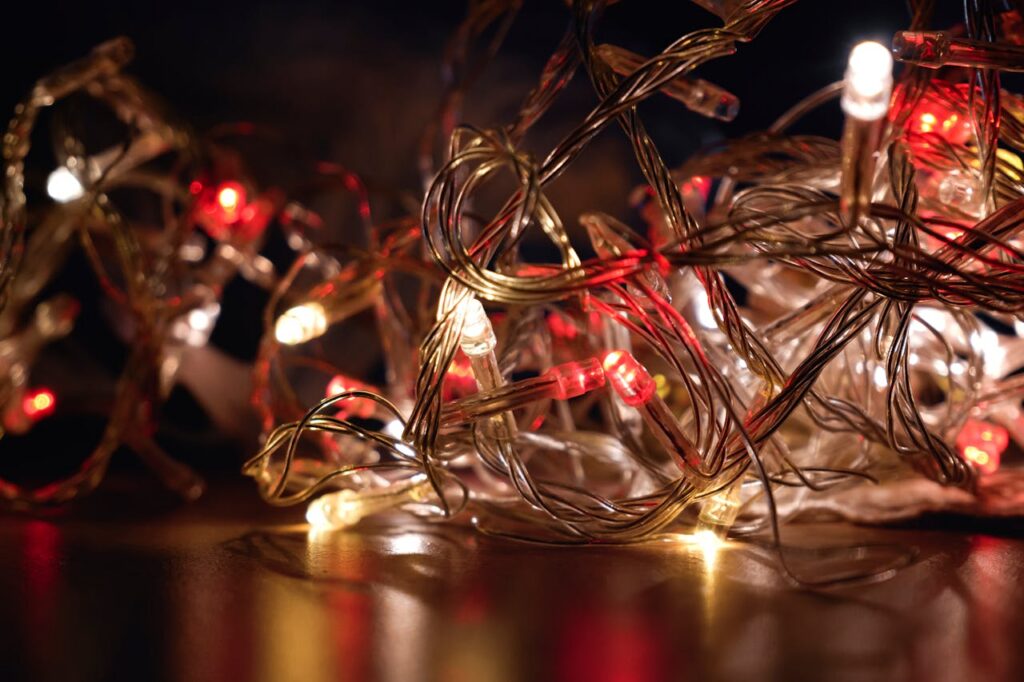
Are LED Lights a Fire Hazard? When the Risk Is Real
Most LED fire risk comes from one of four situations.
Low Quality or Uncertified Products
Cheap LEDs made with subpar materials can overheat and fail to dissipate heat effectively. Always look for safety certifications like UL or ETL listings, which ensure the product meets safety standards. Unbranded LED strips and bulbs sold at very low price points frequently skip the driver quality and heat sink construction that make certified products safe. The fire risk difference between a UL listed LED strip and an uncertified one is significant.
Wrong Wattage for the Fixture
Using an LED bulb with a higher wattage than the fixture is rated for is one of the most common installation errors. The fixture’s wiring and socket are designed for a maximum heat and electrical load. Exceeding that rating with an oversized bulb creates heat buildup at the socket that the fixture was not built to handle.
Enclosed Fixtures Without the Right Rating
Some LED lights are made for open spaces only. Others can work in closed lamps without overheating. If an LED not rated for enclosed fixtures is installed in one, heat builds up and cannot dissipate, increasing fire risk. Always check whether the bulb is rated for enclosed fixtures before installing it in a recessed can, a sealed globe, or any fitting without airflow.
LED Strip Lights and Poor Installation
LED strip lights can become a fire hazard when they are of lower quality, manufactured in a way that causes excessive heat, installed where they cannot effectively dissipate heat, or surrounded by flammable materials. This will not happen with high quality products that are inspected and certified by a third party.
Strip lights are the most frequently misused LED product. They are often adhered directly to wood, fabric, or foam backing in tight spaces with no airflow. Even a quality strip light can create heat accumulation if it is bunched, overlapped, or covered. An uncertified one in those conditions is a genuine fire hazard.
Incompatible Dimmers
Incompatible dimmers can contribute to a higher risk of fires. When LED lights are paired with dimmers they are not designed for, too much electricity can flow through the bulb, making it run hotter than its design allows. Always use dimmers specifically rated for LED loads, not dimmers designed for incandescent bulbs.
Can a Light Bulb Cause a Fire? LED vs. Other Bulb Types
The comparison matters because LED lights replaced bulbs that carried meaningfully higher fire risk.
| Bulb Type | Operating Temperature | Contact Fire Risk |
| LED | 30 to 50 degrees C | Very low under normal use |
| Incandescent | 200 degrees C and above | Significantly higher |
| Halogen | 250 to 300 degrees C | High, particularly near fabric |
| CFL | 60 to 80 degrees C | Moderate, ballast failure risk |
Halogen bulbs in particular were responsible for a significant number of residential fires in the years before LED adoption became widespread. Placing a halogen bulb near curtains, bedding, or any fabric carried genuine ignition risk. LEDs at the same proximity to fabric do not carry the same risk under normal operating conditions.
The shift to LED has been a net positive for residential fire safety. That does not mean LEDs are risk-free, but the risk profile is fundamentally different and much lower than what they replaced.
If you are thinking about what other items in your home carry fire risk you might not have considered, highly flammable everyday household items covers the ones most people overlook.
How To Use LED Lights Safely
These are the practices that keep LED fire risk as close to zero as possible.
Buy certified products. UL and ETL certification means the product has been independently tested against safety standards. Buy from recognizable brands or verify certification before purchasing budget LED products, particularly strip lights.
Match wattage to fixture rating. Check the maximum wattage printed on every fixture before installing any bulb. Do not exceed it.
Use enclosed fixture rated bulbs in enclosed fixtures. The packaging will state whether the bulb is rated for enclosed fixtures. If it does not say it is, assume it is not.
Do not cover or bunch LED strip lights. Install strips with the manufacturer specified spacing, ensure airflow around the installation, and never overlap strips or cover them with fabric or foam.
Use compatible dimmers. If you are dimming LED lights, use a dimmer switch specifically rated for LED loads and match it to the bulb manufacturer’s recommendations.
Do not install LEDs in fixtures they do not fit properly. A bulb that requires force to install, sits at an angle, or leaves the socket partially exposed is not correctly installed. Improper socket contact creates electrical resistance that generates heat.
For a broader look at keeping your home safe from fire risks across every room and system, how to prevent house fires covers the full picture in one place.
What We Have Seen in Fire Damaged Homes
Most of the fire damage we encounter in the properties we buy does not come from LED lights. Cooking, electrical wiring, heating equipment, and smoking materials account for the overwhelming majority of residential fire damage we see firsthand. Where most house fires start and how common house fires are put those causes in full statistical context.
LED related fires are rare in our experience, but they share a consistent profile when they do occur. Uncertified strip lights installed in enclosed spaces, bulbs in fixtures they were not rated for, or budget products with inadequate heat sinks left on continuously in locations with no airflow. In every case, the risk was created by the installation or the product quality, not by LED technology itself.
The technology is safe when used correctly. The risk comes from shortcuts.
Frequently Asked Questions
Can LED lights catch fire?
Under normal conditions with correctly installed, quality products, extremely unlikely. Fire risk increases significantly with uncertified products, wrong wattage, enclosed fixtures without the right rating, or poor strip light installation.
Do LED lights get hot enough to start a fire?
Standard LEDs operate at 30 to 50 degrees Celsius. Most materials ignite at 300 degrees Celsius or above. Under normal use LED lights do not get hot enough to ignite contact materials. Faulty installation or low quality products can cause heat buildup that changes that picture.
Are LED strip lights a fire hazard?
They can be, particularly uncertified ones installed in enclosed spaces without airflow, or strips that are overlapped, covered, or bunched. Quality UL certified strip lights installed correctly carry very low fire risk.
Are LED lights safer than incandescent bulbs?
Significantly. Incandescent bulbs operate at over 200 degrees Celsius. LEDs operate at 30 to 50 degrees Celsius under normal use. The fire risk reduction compared to incandescent and halogen bulbs is substantial.
Can you leave LED lights on all night?
Quality LED lights are designed for continuous use and are unlikely to cause fire during overnight operation. The risk increases with uncertified products, enclosed fixtures without adequate ventilation, or strip lights installed against flammable surfaces.
What makes an LED light a fire hazard?
Poor product quality without proper heat sinks, wrong wattage for the fixture, installation in enclosed fixtures not rated for that use, incompatible dimmers, and strip lights installed without airflow or near flammable materials.
What should I look for when buying LED lights to avoid fire risk?
UL or ETL certification on the packaging, correct wattage for your fixture, enclosed fixture rating if needed, and a reputable brand. Avoid unbranded budget strip lights without visible certification markings.
Previous